 0°
0°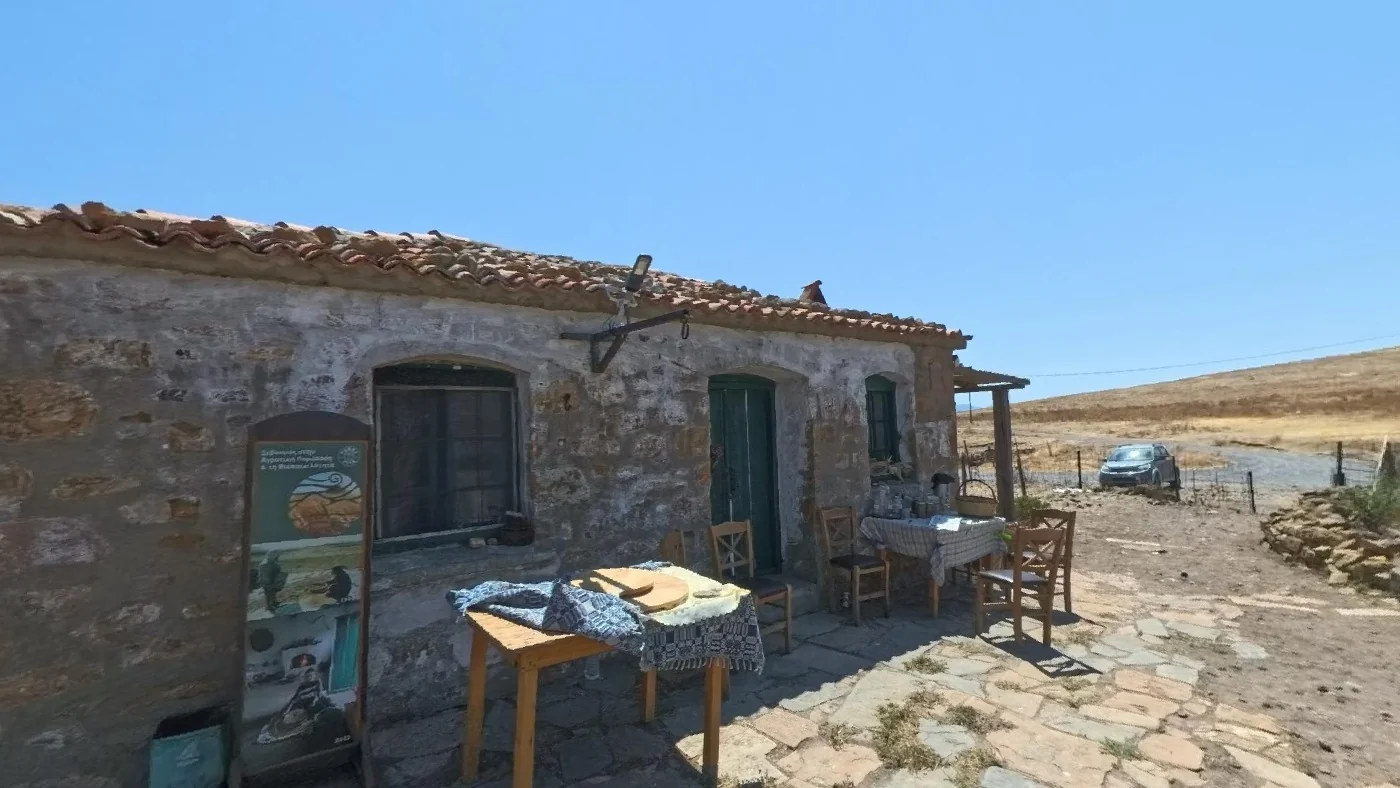
Blog
I Mantra tis Athinas, Krinida, Limnos: a 360° virtual tour and the island's sesame
Limnos had no olive oil. It had sesame.
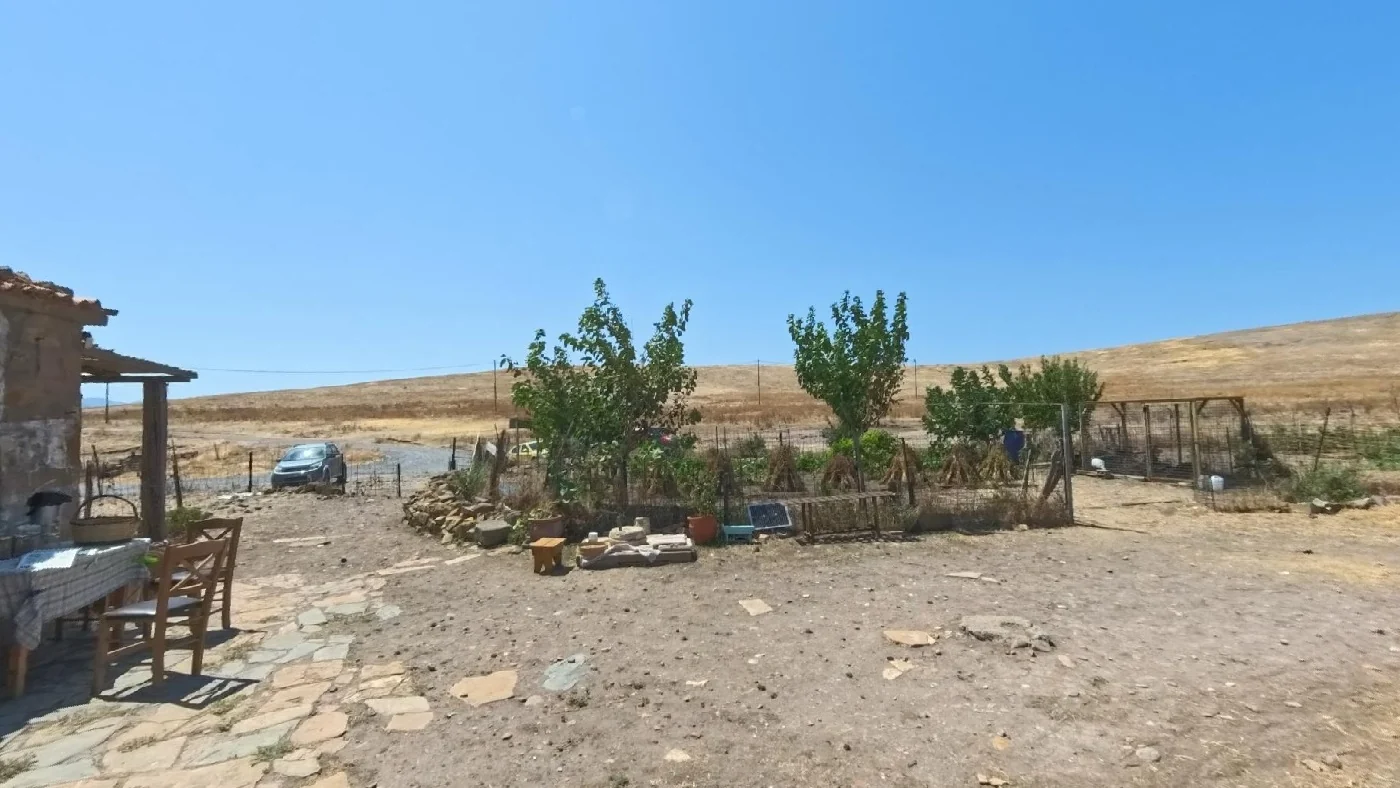
For centuries that is what the island cooked with, on ground that would not carry olive trees. At Krinida, in a stone farmstead with tiled roofs and a flagstone yard, sesame is still grown and still processed. Alongside pulses and local seed varieties that have disappeared elsewhere.
"I Mantra tis Athinas" is not an exhibit. It works.
We built a 360° virtual tour inside it, so anyone can step into that yard from wherever they are. The tour's own loading screen describes the place better than we can, in the island dialect: "coming back at midday, thirty degrees, straight in the sun".
For centuries that is what the island cooked with, on ground that would not carry olive trees. At Krinida, in a stone farmstead with tiled roofs and a flagstone yard, sesame is still grown and still processed. Alongside pulses and local seed varieties that have disappeared elsewhere.
"I Mantra tis Athinas" is not an exhibit. It works.
We built a 360° virtual tour inside it, so anyone can step into that yard from wherever they are. The tour's own loading screen describes the place better than we can, in the island dialect: "coming back at midday, thirty degrees, straight in the sun".
360 Virtual Tour Presentation
See the full project I Mantra tis Athinas, Krinida, Limnos: a 360° virtual tour →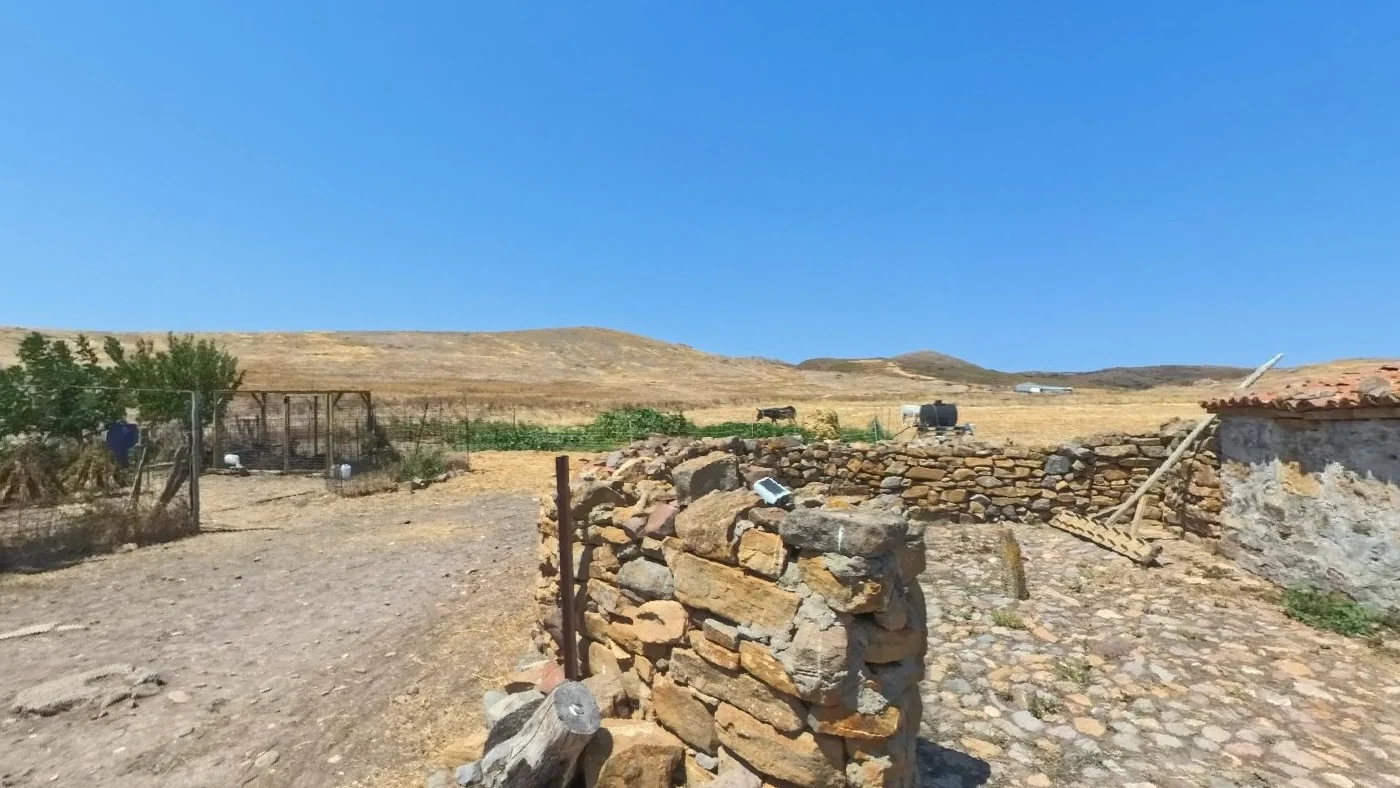
Why sesame, and not olive oil
Volcanic ground, little water, no olives. Until the nineteenth century sesame was the only oil-bearing plant grown on Limnos.Its oil was called "samolado" in the local dialect. That, pork fat and butter were the everyday cooking fats. Olives came in by boat from Lesvos, and that lasted right up to the 1970s.
This was not a small crop. Roughly 250 tonnes in 1858. Still about 240 tonnes in 1963. In barter, sesame worked as currency.
"Sam", the small-grained sesame of Limnos
The local variety is called "Sam". Small-grained, chestnut-brown, crisp, with an oil content above 50%.Put it next to imported sesame and you see it at once, in the size and in the colour.
It is what the island's tahini and traditional sweets are made from. Which is why one person keeping it in the ground matters well beyond Limnos.
The whole production cycle, inside the Mantra
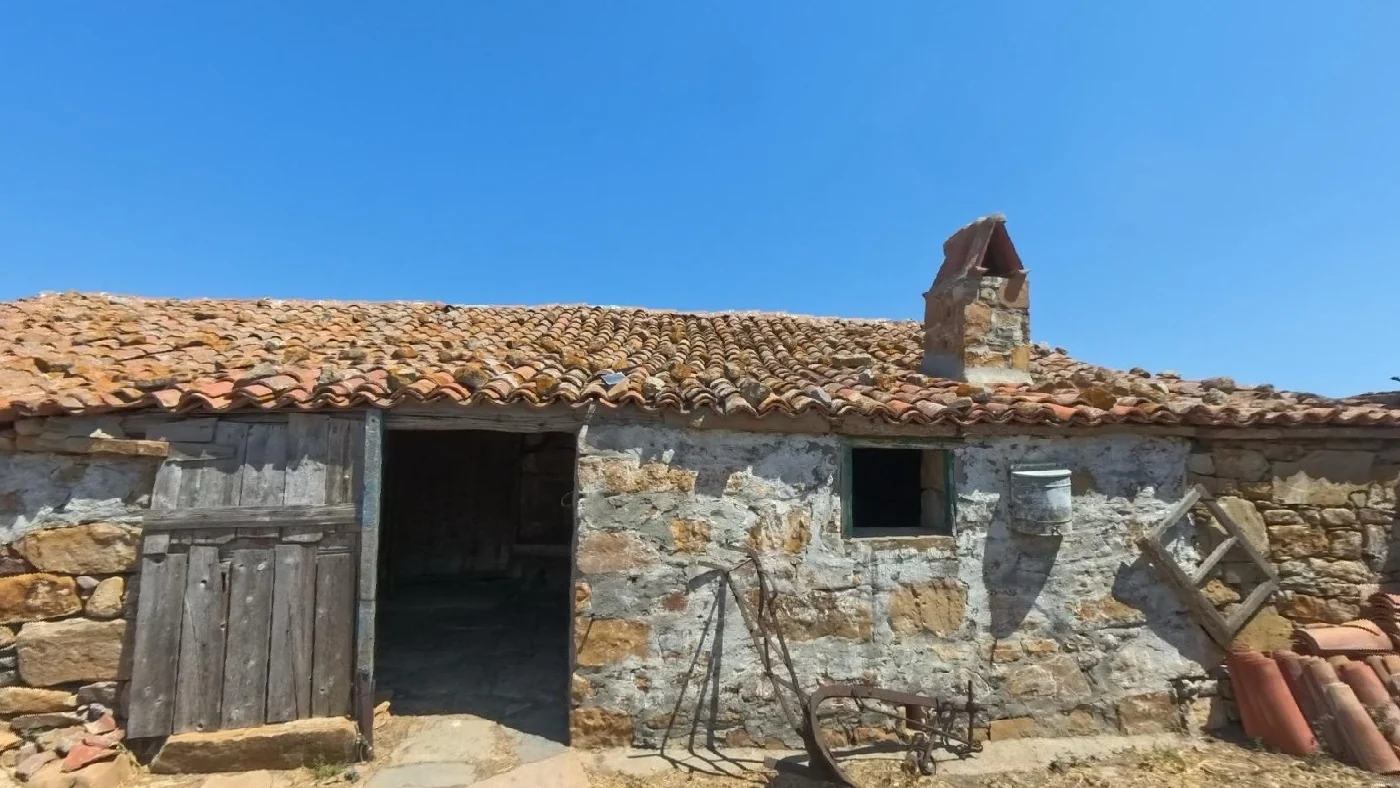
Producer Athina Kavaleri does every stage in the same place. Harvesting, threshing, winnowing, cleaning, milling the seed into paste.She keeps and propagates local varieties: barley, wheat, beans, lentils, chickpeas, flax, sesame. She makes organic tahini too.
None of this started from nothing. Her grandfather ran a mill that ground sesame for sesame oil. Since 2014 she and her husband have kept a small grocery in Karpasi, and that is where what she grows is sold.
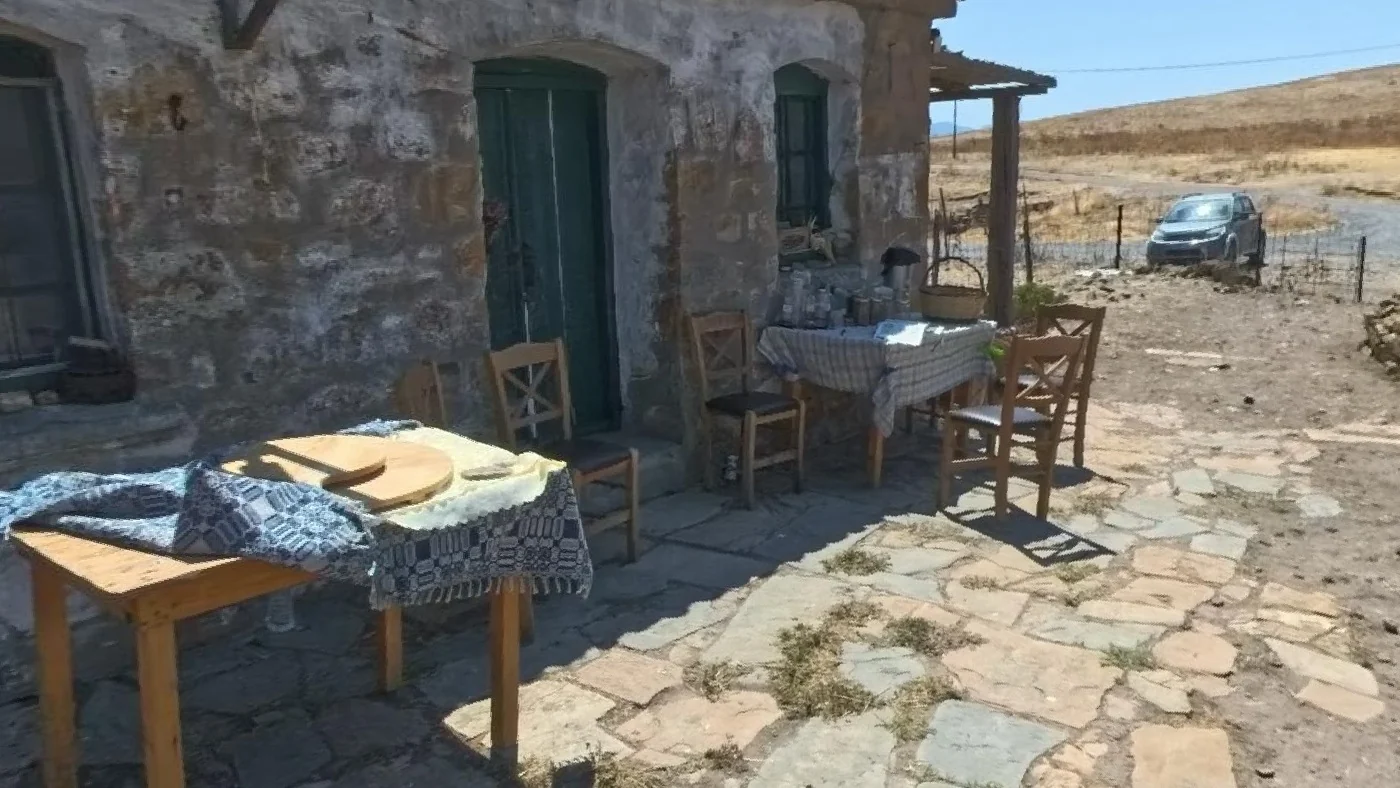
In the yard there is a wooden sign. It reads "Respect for Farming Tradition and Biodiversity".
See the Mantra in a 360° virtual tour
She describes the next step herself. She wants the Mantra open to visitors, so people can follow the process at first hand, alongside the people doing the work.Until then there is the 360° virtual tour. The stone buildings, the flagstone yard, the tools, and the Limnos light on all of it.
Do you look after a place with a history worth seeing before anyone arrives? Talk to us.
Sources: Ypaithros Chora · Cantina / Proto Thema · Limnos FM100
Related Articles You Might Be Interested In
→

The Kythira semaphore telegraph: a 360° virtual tour of a lost monument, digitally reborn
→

Enhance Your Apartment's Virtual Tour with Hotspots
→
Discover the Luxury of Kolonaki through a 360° Virtual Tour
→

Submarine Proteus S-113: a 360° virtual tour of Greece's first submarine museum
→
Meteora in a 360° Virtual Tour: What Actually Exists and What Is Missing
→
