 0°
0°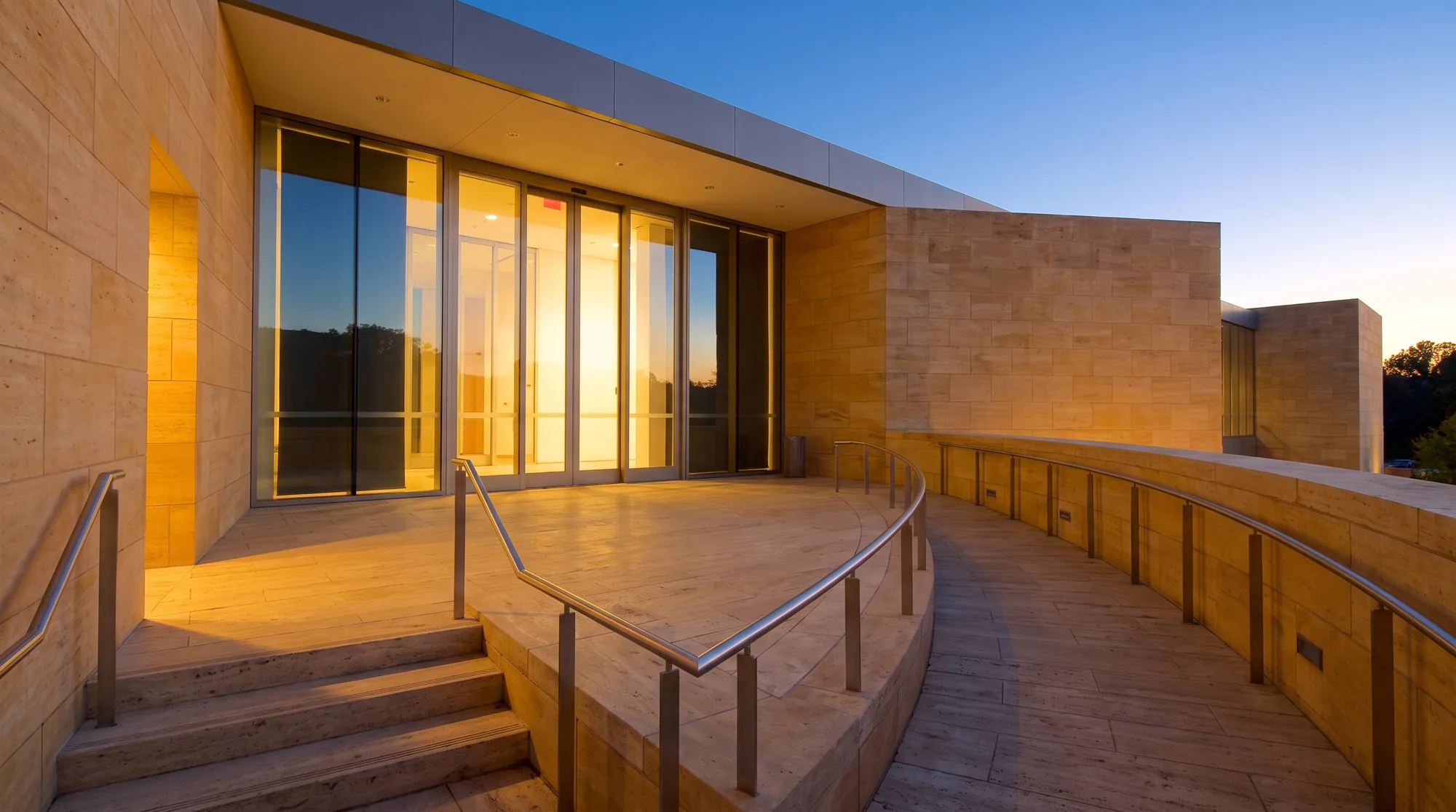
Blog
Accessibility in a 360° virtual tour: what the European rules require, and what they do not
The European Accessibility Act has applied since June 2025. Since then a fair amount of exaggeration has been circulating, some of it from people selling services.
We will start with what the rules do not say, because it is more useful.
The European Accessibility Act does not mandate virtual tours. Anyone telling you otherwise has either not read the text or is hoping you will not.
We will start with what the rules do not say, because it is more useful.
The European Accessibility Act does not mandate virtual tours. Anyone telling you otherwise has either not read the text or is hoping you will not.
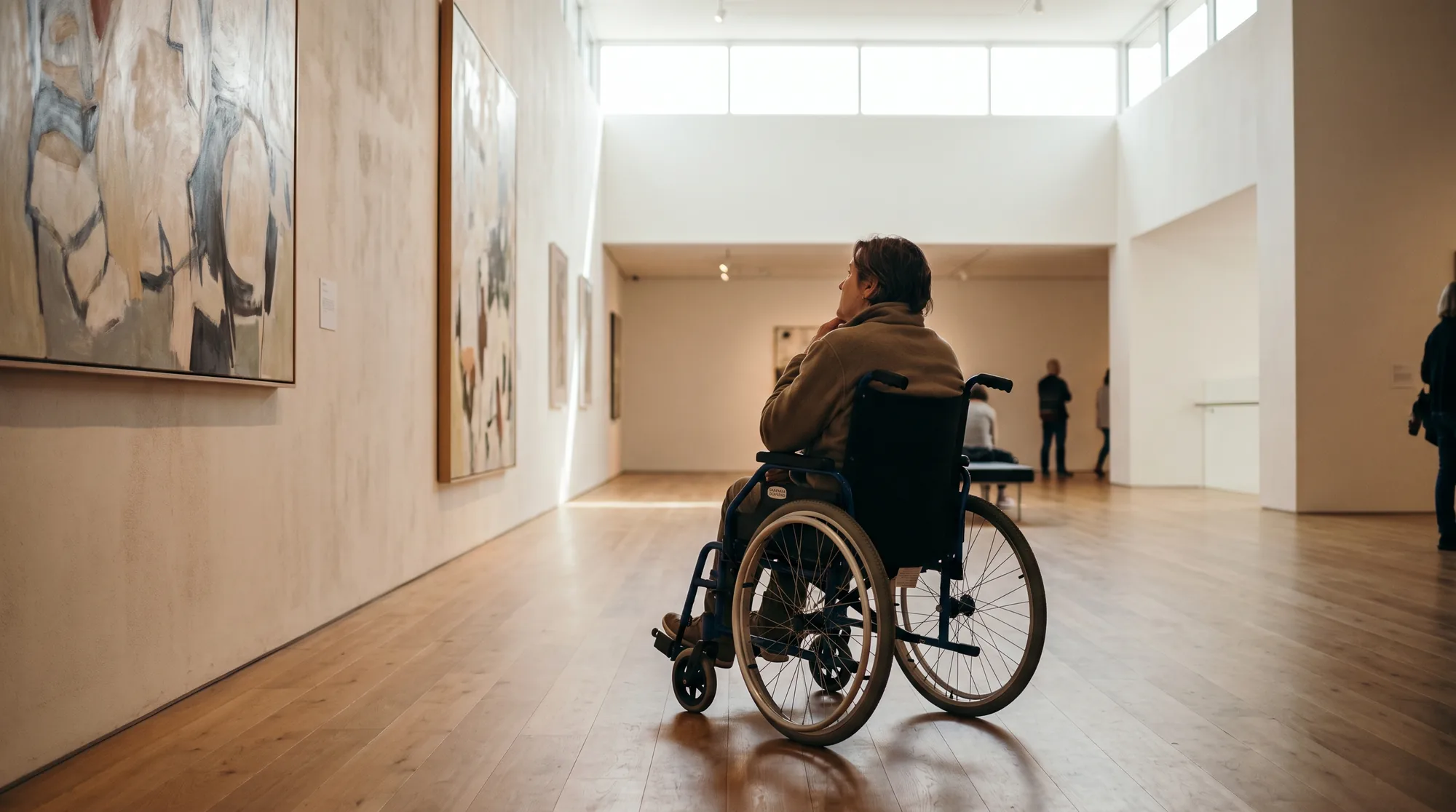

What it actually covers
The rules focus on digital processes. The booking journey, payment, access to information. The technical reference standard is WCAG 2.1 at level AA.There is also an exemption for very small businesses, based on employee numbers and turnover. The European Commission maintains the official page on the framework.
In other words, if your website does not let a disabled user complete a booking, that is the problem. Not whether you have 360.
Where a tour genuinely connects
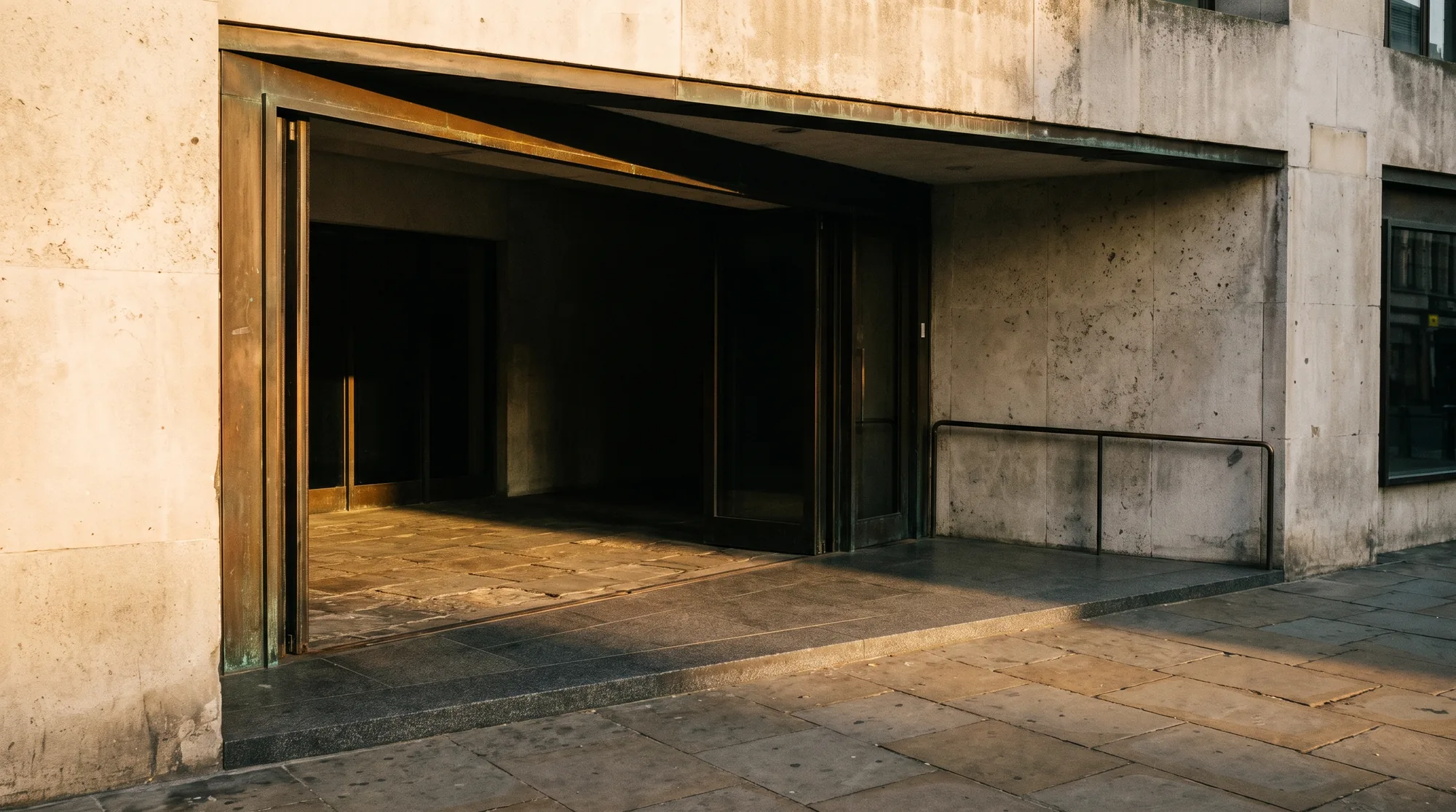
There is a connection, but it is indirect and needs stating properly.A visitor with mobility difficulties does not ask whether the space is beautiful. They ask whether there is a step at the entrance, how wide the bathroom door is, whether there is a ramp, how far the lift is.
Those answers do not fit in a description, and usually do not show in photographs, because photographs are taken to show what is attractive.
A tour answers them without anyone having to ask. That is real value, and it does not need to dress itself up as a legal obligation to stand.
A Greek precedent
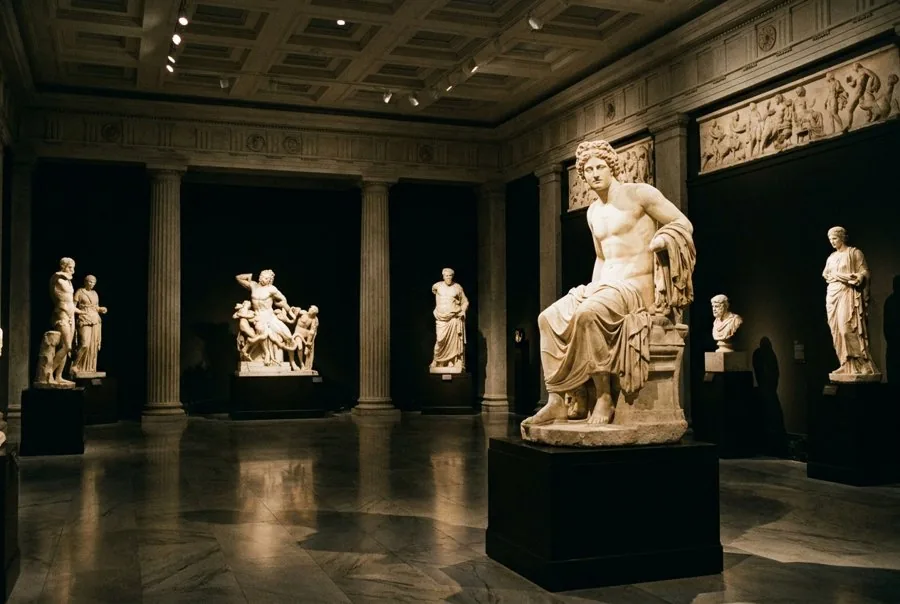
This is not theoretical. The National Archaeological Museum's virtual tour, covering 36 rooms and 86 exhibits, was funded explicitly on accessibility grounds for people with disabilities, under the National Action Plan.So a Greek state museum has already bought a tour on exactly that reasoning.
For an institution working out where the cost belongs in a budget, that is more useful than any general appeal to legislation.
Related Articles You Might Be Interested In
→

Exploring Thessaloniki: 8K 360° Seaside Bicycle Tour | Port to Beach
→

Clinics: does a virtual tour actually reduce patient anxiety?
→

Does a virtual tour really sell faster? What research across 75,000 sales shows
→

Discover the Luxury of Kolonaki through a 360° Virtual Tour
→

360° Virtual Tour of an Apartment for Rent
→
